

5mm tinted glass price
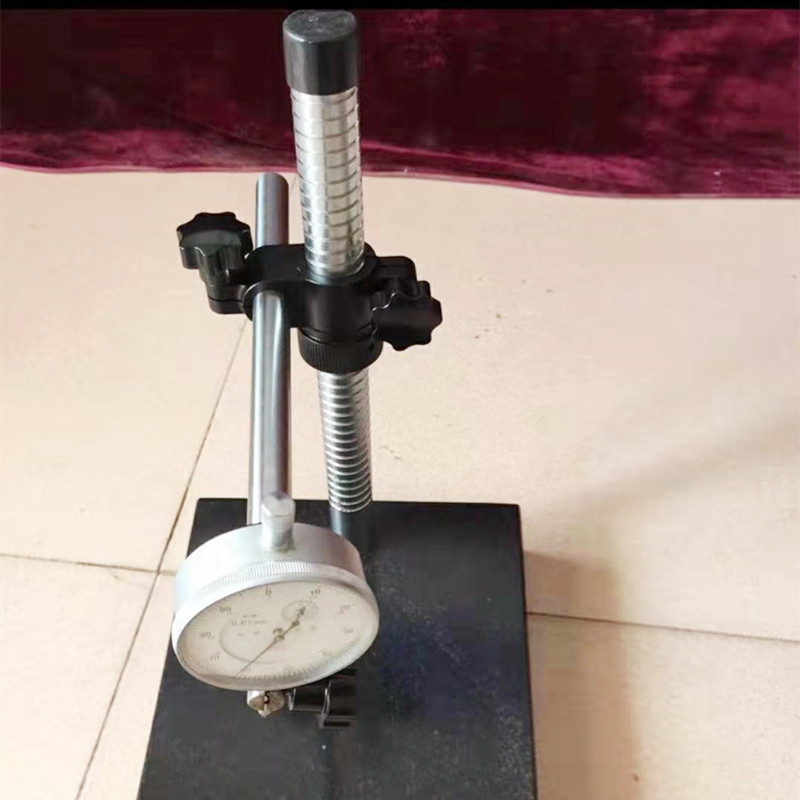
Indykatory mikrometryczne narzędzia precyzyjnego pomiaru Indykatory mikrometryczne, znane również jako wskaźniki mikrometryczne, stanowią kluczowy element w precyzyjnych pomiarach w różnych dziedzinach inżynierii i technologii. Ich zastosowanie jest nieocenione w obróbce metali, automatyce oraz w wielu innych branżach, gdzie dokładność pomiaru odgrywa kluczową rolę. W niniejszym artykule omówimy zasadę działania indykatorów mikrometrycznych, ich budowę oraz zastosowania. Zasada działania Indykatory mikrometryczne są narzędziami, które służą do pomiaru niewielkich odległości z precyzją rzędu mikrometrów. Działają one na zasadzie pomiaru przemieszczenia, które jest rejestrowane na skali. W przypadku prostego indykatora, mechanizm opiera się na sprężynie oraz dajniku, który przekształca ruch mechaniczny na sygnał wskazujący na skali. Zwykle wskaźnik jest połączony z suwakiem lub inny elementem, który można przesuwać w stosunku do mierzonego obiektu. Głównym elementem wskaźnika mikrometrycznego jest stalowa igła, która porusza się wzdłuż podziałki. Każdy ruch igły jest przeliczany na jednostki metryczne, co pozwala na precyzyjne określenie odległości. W wyniku tego mechanizmu, użytkownik jest w stanie zarejestrować najmniejsze zmiany, co czyni ten instrument niezwykle użytecznym w laboratoriach i warsztatach. Budowa Indykatory mikrometryczne składają się z kilku podstawowych elementów 1. Tarcza odczytowa - zazwyczaj oznaczona skalą, na której wskazówki mogą wskazywać wartości. 2. Igła wskaźnikowa - mocowana w taki sposób, aby mogła swobodnie poruszać się podczas pomiaru. 3. Mechanizm przetwornika - który zamienia ruch mechaniczny na odczyty, często stosowany jest system zębatkowo-zębaty. 4. Korpus - trwała obudowa, która zapewnia ochronę dla delikatnych elementów wewnętrznych. indicating micrometer Wszystkie te elementy muszą być precyzyjnie wykonane, aby zapewnić odpowiednią dokładność miernika. Zastosowanie Indykatory mikrometryczne znajdują zastosowanie w wielu obszarach przemysłu. Są powszechnie używane w produkcji części maszyn, gdzie wymagane są niezwykle dokładne wymiary. Dzięki nim możliwe jest kontrolowanie tolerancji wymiarowych, co jest kluczowe dla funkcjonowania wielu procesów produkcyjnych. Oprócz tego, narzędzia te są również szeroko stosowane w laboratoriach badawczych, gdzie precyzyjne pomiary są niezbędne do analizy wyników eksperymentów. Dzięki indykatorom mikrometrycznym można również monitorować procesy jakości, co pozwala na wykrywanie ewentualnych anomalii i wprowadzanie niezbędnych korekt. Podsumowanie Indykatory mikrometryczne to niezastąpione narzędzia w świecie inżynierii i technologii. Ich zdolność do precyzyjnego pomiaru niewielkich odległości czyni je nieocenionymi w wielu branżach. Od obróbki metali po badania laboratoryjne, dzięki nim możliwe jest osiąganie wysokiej poprawności oraz dokładności pomiarów. Choć technologia się rozwija, rola indykatorów mikrometrycznych pozostaje niezmienna – są one fundamentem precyzyjnego pomiaru w dzisiejszym przemyśle.
about
5mm tinted glass price
Understanding Spirit Level Measurements A Guide to Precision in Construction and DIY Projects In both professional construction and personal DIY projects, precision is crucial. Among the various tools available to ensure accuracy, the spirit level, also known as a bubble level, stands out as an essential instrument. By utilizing the principle of gravity, a spirit level helps determine whether a surface is horizontal (level) or vertical (plumb). This article delves into the different types of spirit levels, their uses, and the best practices for achieving precise measurements. What is a Spirit Level? A spirit level consists primarily of a sealed vial containing a liquid and an air bubble. The vial is typically made from glass or plastic and is situated within a frame, often crafted from durable materials like aluminum or wood. When the instrument is placed on a surface, the bubble moves within the liquid to the highest point. A perfectly level surface will position the bubble between two marked lines in the vial. Types of Spirit Levels 1. Standard Spirit Level This is the most common type, characterized by its horizontal and vertical vials. It's ideal for general construction tasks such as leveling frames, doorways, and various structures. 2. Torpedo Level Shorter and more portable, a torpedo level fits easily into pockets or tool belts. It's frequently used for plumbing tasks and smaller projects due to its compact size. 3. Laser Level This advanced type uses a laser beam to create a straight reference line, offering greater precision over longer distances than traditional levels. Laser levels are especially useful in large areas where accuracy is paramount, such as in flooring or cabinetry installation. 4. Digital Level Equipped with electronic components, digital levels provide precise measurements displayed numerically. Many modern models feature additional functions such as memory settings and audio alerts, making them user-friendly for complex projects. Applications of Spirit Levels Spirit levels are indispensable in various fields beyond construction, including woodworking, landscaping, and even photography. Here are a few common applications - Construction Ensuring that walls, foundations, and other structures are level or plumb is vital for stability and aesthetic appeal. Misalignment can lead to structural issues over time, making the spirit level a crucial tool for builders. spirit level measure - Furniture Assembly When assembling furniture, especially items like shelves or cabinets, using a spirit level ensures that these pieces are aligned correctly, preventing them from tipping or becoming uneven. - Hanging Items Whether it's a picture frame or a television, a spirit level is necessary to hang items straight . This small step can significantly enhance the visual appeal of any space. Best Practices for Using a Spirit Level To ensure accurate measurements when using a spirit level, follow these best practices 1. Clean the Surface Dust, dirt, or debris can affect the tool's ability to measure accurately. Always clean the surface before using the level. 2. Check the Level Before Use Before relying on the spirit level, check its accuracy on a known level surface. If the bubble does not align correctly, the level may be damaged. 3. Use on Stable Ground Ensure that the level is placed on a stable and firm surface. Soft or uneven ground can lead to inaccurate readings. 4. Multiple Measurements For large areas, consider using the level at several points to confirm consistency across the entire surface. 5. Store Properly Proper storage helps maintain the integrity of the spirit level. Avoid dropping it or exposing it to extreme temperatures or moisture. Conclusion The spirit level is a small but mighty tool in the arsenal of builders, craftsmen, and DIY enthusiasts alike. By understanding the different types of spirit levels, their applications, and best practices for usage, you can ensure that your projects are executed with precision. Whether you are hanging a picture, constructing a shelf, or laying a foundation, incorporating a spirit level into your toolkit will undoubtedly lead to better, more satisfying results.
-

High quality industrial productsagement

High quality industrial products
View Details -

Meet the diverse needs of customers

Meet the diverse needs of customers
View Details -

Strict quality control

Strict quality control
View Details -

Top raw materials

Top raw materials
View Details -

Trusted supplier

Trusted supplier
View Details
Our application

news and information

Versatile Metal Ruler for Precise Right Angle Measurements in DIY Projects
The Right Angle Metal Ruler A Crucial Tool for Precision and Accuracy In the realm of measurement an
welding table clamps
The Importance of Welding Table Clamps in Metalworking Welding is a fundamental process in metalwork
Welding Table Manufacturing Solutions from China for Reliable Performance and Quality
Welding Tables in China A Comprehensive Overview Welding tables are essential tools in the fabricati
 English